
The anti-ageing industry has contributed to the perpetuation of the idea that ageing is a problem that needs to be fixed, pressuring women to maintain a youthful, wrinkle-free appearance in order to be valued by society.

Ageing is a natural and unavoidable process that everyone goes through, yet the idea that ageing as a woman should be dreaded, combatted, and eliminated appearance-wise continues to be dominant within modern society. Advertising campaigns influence and encourage women and girls to be completely shaven long after they’ve hit puberty, yet there is a lack of this same pressure targeted towards their male counterparts. We currently live in a world where grey hair, wrinkles and natural changes to our body shape aren’t treated as normal and acceptable parts of a woman’s life cycle.
Instead, women are surrounded by representations of youthful or youthful-looking women at every turn. Thus, they are bombarded with messages that their worth is directly tied to their physical appearance and that they must constantly strive to maintain a youthful, wrinkle-free appearance in order to be valued by society. This can only lead to feelings of anxiety, self-consciousness, and even shame among women who are inevitably going to age and experience the natural changes that come with it.
The creation of the anti-ageing industry has contributed to the perpetuation of the idea that ageing is a problem that needs to be fixed. It is a multi-billion-dollar industry which profits’ off women’s fear of ageing and amplifies the pressure to look young. This cycle creates a constant demand for unnecessary products as women continue to age, making it a profitable business. Essentially, women will always have some demand for these products because they will continue to age, leading to the continuous fuelling of the industry’s bottom line.
So where does this fear come from? What contributes to our fears of ageing? The language used to describe and represent older women in the media we consume plays no small part in how we view ourselves and the role of older women. Simply off the top of my head, I can think of more derogatory terms associated with older women than with their male counterparts, including hag, witch, crone, cougars, and spinsters. The latter of which was a huge focal point for a lot of Eighteenth and Nineteenth-century fearmongering which was targeted at women who dared to stay single and not centre their entire life around finding a husband and having children. In Victorian literature and advertising, those they deemed as ‘spinsters’ had a slew of negative connotations such as undesirable and unwomanly.
Moving away from Victorian times, it’s important to note that this double standard is not only reflected in language but also in modern culture. Men are generally seen as distinguished and experienced as they age, while women are seen as losing their value and worth. While men may experience some societal pressure to remain physically fit and active as they age, they are not subject to the same intense scrutiny and criticism as women; we still fail to fully accept their unaltered facial appearance. There are many examples of how older women are made to appear younger in the beauty industry. It’s no secret that women’s appearances are digitally retouched to smooth out wrinkles and dramatically change their body shape. These are the images that are considered publishable and the only acceptable personification of ‘beautiful’.

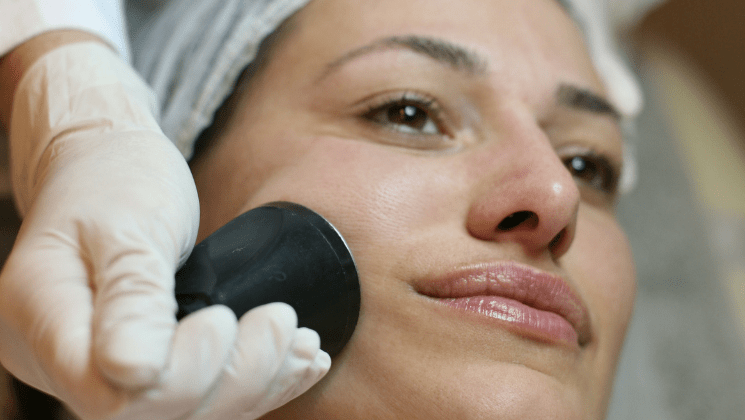
Anti-ageing products and procedures are marketed to women as a way to look younger and reverse the signs of ageing. These products often contain ingredients such as retinoids, antioxidants, and peptides, which claim to boost collagen production and reduce wrinkles. However, many of these claims are not backed by scientific evidence, and some products can even be harmful to the skin or irritating to different skin types. The beauty industry reinforces the idea that ageing is negative by marketing anti-ageing products as a way to reverse the signs of ageing and make us look younger. This perpetuates the idea that ageing is something to be ashamed of and that the only way to avoid it is by using their products. However, research has shown that many of these products are not effective and can even harm our health.
A study by Dove found that women are more likely to feel anxiety about ageing than men, and this anxiety can affect their overall well-being. Women feel the need to live up to unrealistic beauty standards and feel inadequate when they inevitably fall short. They can become obsessed with looking younger, spending a significant amount of time and money on anti-ageing products and procedures.
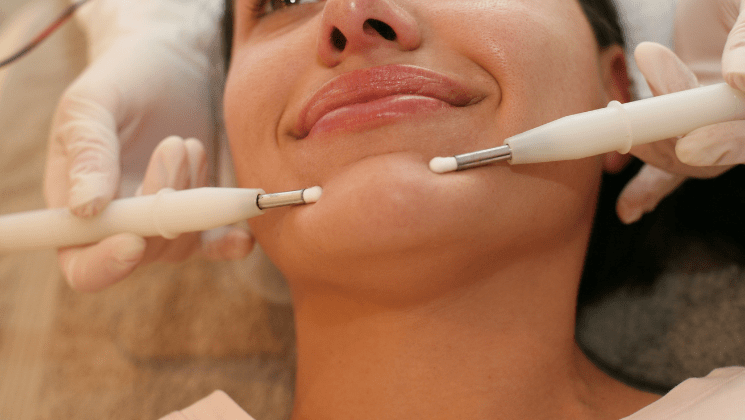
Cosmetic procedures, such as Botox, fillers, and facelifts, are also popular among ageing women as a way to reverse the signs of ageing. While these procedures can be effective in reducing wrinkles and sagging skin, they can also have negative side effects. What’s more is that these procedures generally keep you as a patient for life, as in most cases you need to redo them and that gets pretty expensive after a while.
All these practices within the beauty industry work to promote unrealistic beauty standards and depict women as less desirable or less interesting as they age. It translates into societal norms and expectations, which dictate that women should prioritise their physical appearance and youthfulness over other aspects of their identity, emphasising their physical attributes rather than their achievements or intelligence. As a result, women are constantly bombarded with messages that their worth is tied to their appearance and that ageing is a threat to their value as individuals.
This stigma against ageing women intersects with other forms of discrimination, such as sexism, ableism, and racism. Women who do not fit the conventional standards of beauty, such as those with disabilities or marginalised communities, are even more likely to be stigmatised for ageing. This reinforces harmful stereotypes and creates a culture that values and prioritises certain bodies and identities over others. When our role models, such as celebrities and influencers, can maintain the appearance of youth throughout their older years due to their wealth, you could argue the stigma further inadvertently perpetuates discrimination towards those who cannot afford such procedures and products for the entirety of their later years.
The stigmatisation of ageing in society is a complex issue that is perpetuated by media representation and beauty standards. As women, we need to challenge these societal norms and celebrate ageing as a natural process that should be embraced, not stigmatised. We need to demand more representation of older women in the media and encourage the beauty industry to embrace diversity and natural beauty. It’s time to stop letting society tell us what we should look like or how we should feel about ourselves.
It is essential to recognise that ageing is a natural part of the human experience and that negative attitudes towards ageing women are unjust and harmful. We must work towards creating a society that values individuals of all ages, genders, abilities, and backgrounds, and that recognises the diversity and complexity of human experiences. This means challenging and dismantling the gendered double standard that places greater value on men’s accomplishments and experiences as they age, while stigmatising and marginalising ageing women. This is like trying to knock down the dominoes of a long-standing, oppressive system that has been built up over generations. It will take a sustained effort to remove each domino and build something new and better in its place.
 Disgraceful Magazine